Why Does Leviticus 2 Require Grain, Oil, and Frankincense?
After the burnt offering, Leviticus turns to the harvest. Flour, oil, incense, and salt introduce a different way of presenting a gift at Israel’s sanctuary.
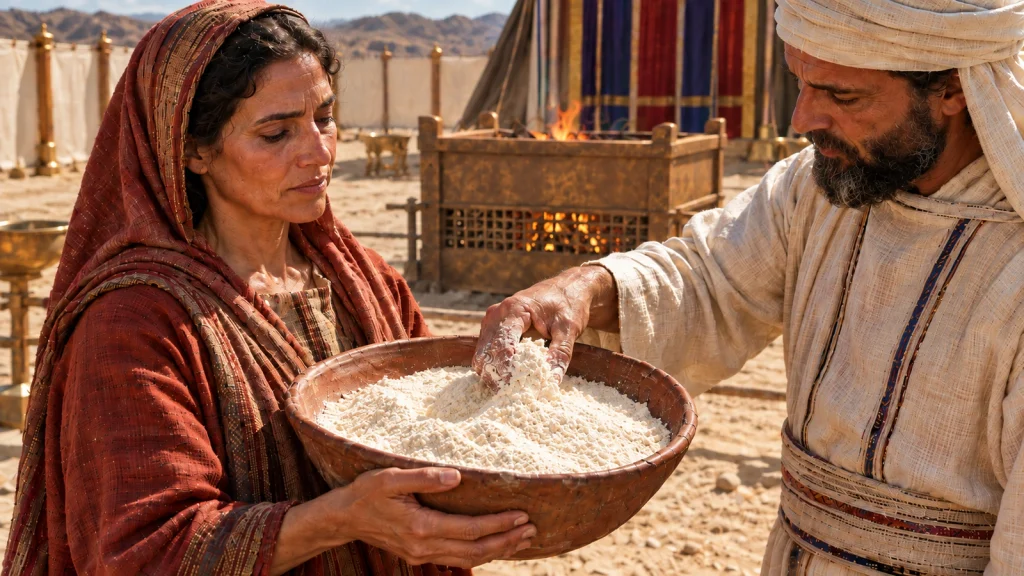
Source: AI-generated image created for Beyond The Known.
The first chapter of Leviticus leads the reader to an altar where animals are slaughtered and burned. The second opens with a handful of flour. No blood is handled, and most of the food never touches the fire. Yet the grain offering receives the same description of a pleasing aroma to the LORD.
Then come two unexpected restrictions. Leaven and honey may be presented as firstfruits but must not be burned on the altar. Salt, by contrast, must never be omitted. What governs these differences, and why does the priest receive most of a gift brought to God?
In Why Did Leviticus Begin with Sacrifice?, we examined the burnt offering as the first form of worship regulated after God’s glory filled the tabernacle. Leviticus 2 continues that instruction from the Tent of Meeting. Its concern is not simply what Israelites can give, but how a gift becomes part of the sanctuary’s sacred economy.
A Gift That Does Not Require an Animal
The Hebrew name of the grain offering is minḥāh (מִנְחָה). In other biblical settings, this word can describe a present or tribute given to someone in a position of honor. Jacob’s gifts to Esau, for example, are called a minḥāh (Genesis 32:13–21). Here it serves as a technical designation for an offering made from agricultural produce.
“Grain offering” is therefore an appropriate translation in Leviticus 2, although it captures only the material used, not the word’s wider sense of a gift. The chapter also gives no named occasion for bringing it. As Roy E. Gane observes in his study of Old Testament sacrifice, the minḥāh described here can stand on its own, even though grain offerings accompany animal sacrifices elsewhere, as in Numbers 15:1–10.
It would be a mistake to treat this as an inferior substitute for an animal. The regulations present it as a recognized form of worship in its own right. Nothing in Leviticus 2 describes a particular offense requiring forgiveness, and the passage makes no explicit promise of atonement. Those omissions distinguish its stated function from the burnt offering’s reference to atonement in Leviticus 1:4; they do not mean grain could never appear in another kind of atoning rite.
Indeed, Leviticus 5:11–13 later permits a flour-based purification offering for someone who cannot afford the prescribed birds. That ceremony has different rules, including the omission of oil and frankincense. Similar materials need not signify the same ritual purpose.
Fine Flour, Olive Oil, and Frankincense
The opening instructions call for sōlet (סֹלֶת), generally translated “fine flour” or “choice flour.” The precise product is difficult to match with a modern commercial grade. It was nevertheless processed grain of a specified quality, rather than a handful of unprepared stalks.
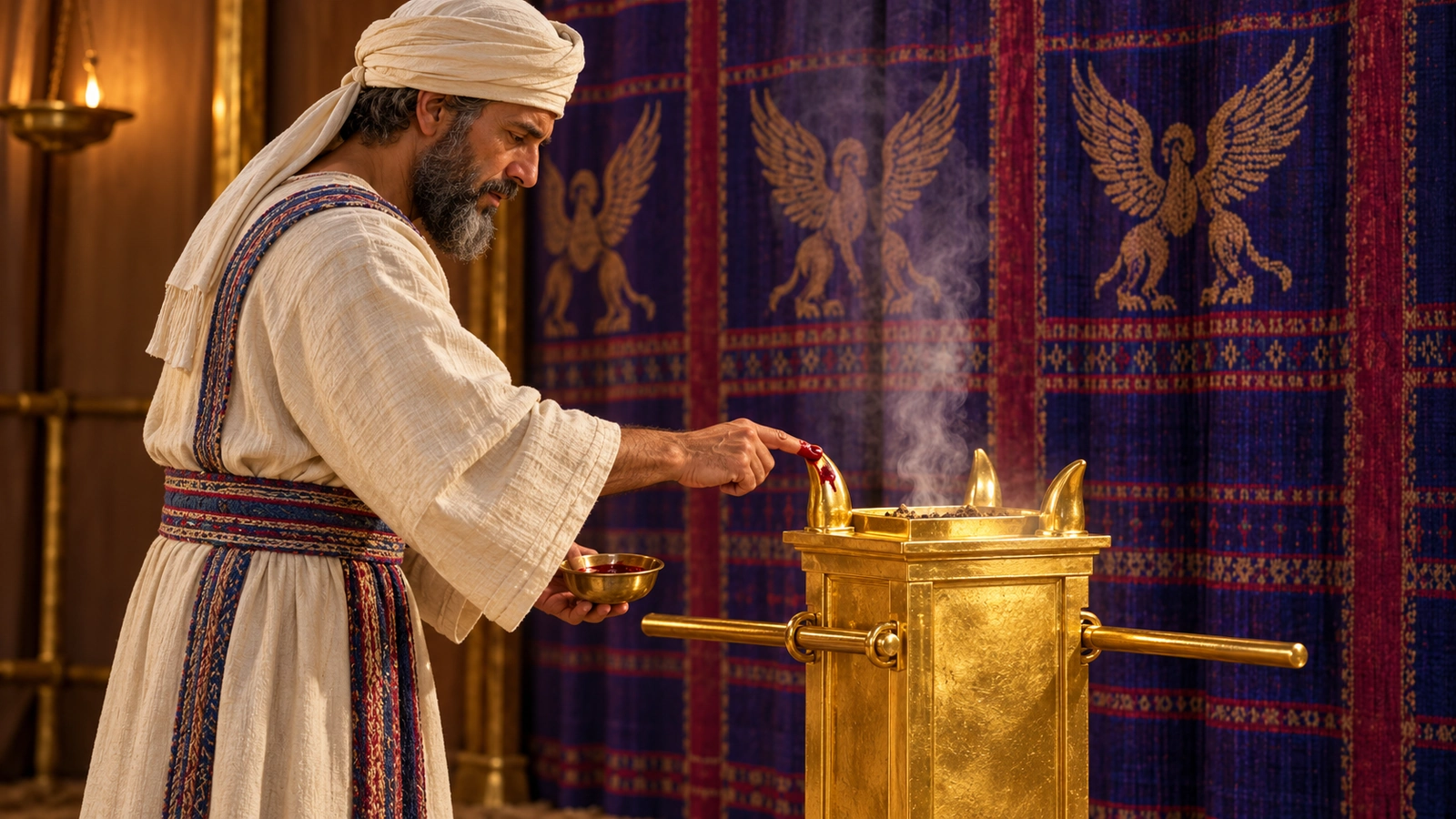
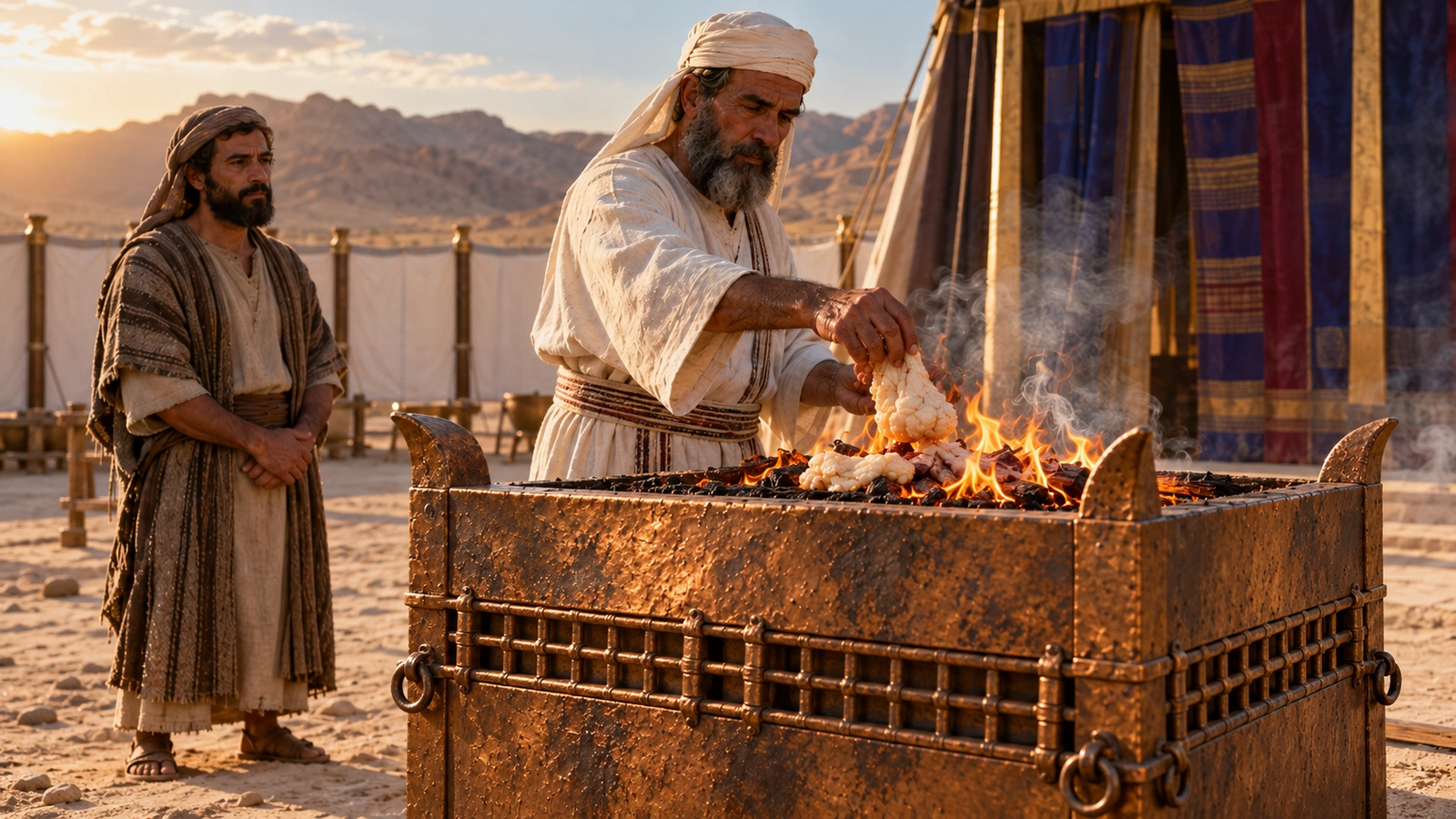
The worshiper pours olive oil over it and adds levōnāh (לְבֹנָה), frankincense, an aromatic resin used in ancient ritual settings. A priest then takes a handful of the flour and oil, together with all the frankincense, and burns them on the altar (2:1–2).
Why include these ingredients? Flour and oil were familiar products of agricultural life, while frankincense contributed an aromatic element to the portion burned. The procedure brings ordinary food materials into a regulated act of worship, but Leviticus offers no dictionary of hidden meanings in which flour stands for work, oil for divine power, and incense for prayer. Such associations belong to later interpretation unless a textual argument supports them.
One small detail deserves attention: the resin is entirely burned in this first procedure. Only a handful of the flour and oil goes with it. The remaining food has a different destination.
What Is the Memorial Portion?
Leviticus calls the portion placed on the altar an ʾazkārāh (אַזְכָּרָה), commonly translated “memorial portion.” The term is related to Hebrew vocabulary for remembering, though scholars debate exactly what remembrance entails in this setting.
The instructions are clearer about the action than its underlying mechanism. The priest selects the designated amount and makes it rise in smoke. The text does not portray God as forgetting an obligation and needing to be reminded of it. Nor does it say that the offering becomes acceptable only when every grain has been consumed.
The memorial portion is the part assigned to the altar. That distinction organizes much of the chapter.
Why Do the Priests Receive the Remainder?
After the initial portion has been burned, the rest belongs to Aaron and his sons. Twice the chapter calls this remainder “most holy” (2:3, 10). Its Hebrew designation, qōdeš qodāšîm (קֹדֶשׁ קָדָשִׁים), expresses a restricted level of sacred status, with practical consequences for who may handle and eat the food.
Those consequences emerge more fully in Leviticus 6:14–18, where the priests are told to consume the remainder without leaven in a holy place. Leviticus 7:9–10 further specifies how various prepared and unprepared grain offerings are allotted among them.
The perspective changes between the two sets of laws. Chapters 1–5 chiefly describe what an offerer brings and how the sacrifice proceeds; chapters 6–7 devote more space to priestly obligations. Biblical scholar Zev Farber discusses this difference as part of a proposal about the composition of Leviticus. Whatever view one takes of that proposal, the book’s final arrangement allows the later instructions to clarify the earlier ones.
The grain offered to the LORD thus becomes food for designated human recipients. That is not a loophole in the sacrifice. Its distribution is specified by the law itself.
A comparison helps to place the practice in context. Ada Taggar-Cohen has examined how the biblical priesthood’s rights to sacred property differ from regulations for certain Hittite temple personnel. The comparison illuminates the institutional importance of priestly provisions without proving that either legal system was copied directly from the other.
Another Israelite rite makes a related distinction in a different setting. Leviticus 24:5–9 describes the Bread of the Presence, accompanied by frankincense and later eaten by the priests. Jennie Ebeling has explored that bread’s preparation and ritual setting. It is not the same ceremony as Leviticus 2, but both texts show that food dedicated to God need not be destroyed in order to retain its holy status.
Three Ways to Prepare the Grain
The opening verses describe loose flour. Verses 4–10 turn to prepared food: unleavened loaves or wafers made in an oven, grain cooked on a griddle, and a preparation made in a pan. Oil remains part of the recipes. For the griddle offering, the worshiper is told to break the food into pieces and pour oil over it (2:6).
The Hebrew terms distinguish methods of cooking without giving us enough information to reconstruct the exact shape of every ancient utensil. A modern kitchen photograph would be a poor guide to their appearance.
More important is what remains consistent across the alternatives. The food is brought to a priest, a memorial portion is burned, and the remainder belongs to the priesthood. These variations provide several ways to present a grain gift while preserving the same basic division.
Frankincense, however, is not explicitly required in the instructions for the baked and pan-cooked forms. It appears in verses 1–3 and returns with the fresh-grain offering in verses 14–16. The chapter does not give every preparation an identical ingredient list.
Gane notes that the cooked alternatives, with no stated requirement for frankincense, may also have made participation less costly. That is a reasonable social implication, though Leviticus 2 does not identify individual worshipers by income or say that the absence of incense was intended solely for poorer households.
Why Are Leaven and Honey Excluded?
The passage becomes unexpectedly strict in verse 11: neither leaven nor honey may be burned as an offering by fire to the LORD. Both could affect prepared food, but the regulation gives no explanation in terms of taste, preservation, or moral symbolism.
The Hebrew devaš (דְּבַשׁ), translated “honey,” has prompted debate about the exact substance intended. Biblical usage can include bee honey and sweet products associated with fruit. This verse does not settle the identification on its own.
Leaven is sometimes treated in popular explanations as a universal emblem of sin. That reading runs into difficulty elsewhere in the Torah. Leviticus 7:13 includes leavened bread in thanksgiving presentations, and Leviticus 23:17 commands two leavened loaves as firstfruits. Their inclusion in those settings does not overturn Leviticus 2; it shows that restrictions vary according to the kind of presentation and whether the material is burned.
Verse 12 is the key qualification. Leaven and honey can be brought to the LORD as firstfruits, but they are not to ascend on the altar as a pleasing aroma. They are prohibited from a specific ritual action, not declared universally unacceptable as gifts.
This principle helps explain why the instructions must be read carefully. The altar is not simply a place where anything presented to God is burned. Particular offerings have particular destinations.
The Salt of the Covenant
Salt receives the opposite treatment. Leviticus 2:13 requires it with every grain offering and then extends the command to all offerings. The verse calls it “the salt of the covenant of your God.”
Unlike leaven and honey, salt is indispensable to the prescribed presentation. Its association with the covenant has invited several explanations. Tim Daniel Bernard, writing for the Jewish Theological Seminary, discusses two of them: salt can preserve food, and shared meals can establish bonds of hospitality and obligation. Both readings illuminate the image, but neither is identified in Leviticus as its definitive meaning.
Two other passages use covenant language involving salt. Numbers 18:19 applies it to the priestly allotments, while 2 Chronicles 13:5 describes the Davidic kingship with a similar expression. These connections suggest durability and obligation, even though the contexts differ.
For Leviticus 2, the secure point is more concrete: the command joins an ordinary ingredient to Israel’s covenantal worship. Salt must accompany the gift, regardless of the allowable differences in its preparation. The text gives it ritual significance without describing a magical property or a chemical explanation for the covenant itself.
The First Ripe Grain
The final paragraph of the chapter returns to agricultural produce in a less processed form. A worshiper may bring first ripe grain, roasted and crushed, with oil and frankincense (2:14–16). The priest burns some of the grain and oil along with all the resin.
The Hebrew description of the kernels is unusually difficult. The NET Bible’s translators note that the wording could describe one method of preparation or several. Translators have therefore produced different English renderings of the grain’s condition and treatment.
However the technical terms are resolved, the ritual action is clear enough: this specified offering of new grain has a portion burned upon the altar.
The Deeper Discovery
Two Firstfruits, Two Destinations
Leviticus 2 uses the language of first produce in two nearby passages, yet assigns different treatments to what is brought.
In verse 12, leaven and honey may be presented as firstfruits, but the altar may not receive them as a fire offering. In verses 14–16, new grain is roasted and crushed, mixed with oil, accompanied by frankincense, and partially burned. The shared agricultural setting does not make the ceremonies identical.
This contrast becomes more revealing when set beside the chapter’s earlier refrain about the priests’ portion. The first flour offering and the prepared varieties are divided: part goes onto the fire, and the remainder becomes “most holy” food. The firstfruits barred from burning in verse 12 provide an additional case where presentation to God is not equivalent to consumption on the altar.
The recurring distinction is between what may be brought before the LORD and what may be burned there. These categories overlap, but one does not automatically entail the other.
Notice what this does to a common assumption about sacrifice. If complete destruction were the measure of a gift’s holiness, the portion reserved for the priests would seem less sacred. Leviticus explicitly calls it most holy. If firstfruits necessarily belonged on the fire, verse 12 would make little sense. Yet it permits a form of presentation while restricting its destination.
The chapter does not spell out a single theological reason for every restriction. Its procedures nevertheless reveal an ordered system in which acceptability is defined by the form of presentation, not simply by how much material is burned.
That conclusion arises from the literary structure itself: different preparations, different destinations, and carefully specified actions within the same sanctuary.
What Does the Grain Offering Contribute to Leviticus?
The minḥāh broadens the portrait of worship opened by the burnt offering. A person can bring produce grown, milled, and prepared for use as food. The sanctuary receives a memorial portion; the priesthood receives what remains. Salt is obligatory, frankincense accompanies certain forms, and the altar excludes specified ingredients even when they may be presented elsewhere.
There is no need to turn every item into an allegory to recognize the theological weight of these regulations. Food dedicated to the LORD is governed by sacred distinctions, and priestly consumption is part of that arrangement rather than a departure from it.
The chapter also shows why the first three offerings in Leviticus should be distinguished. James W. Watts observes that chapters 1–3 organize their material by kinds of offerings, whereas chapters 4–5 increasingly address the circumstances that call for purification and reparation. Read in that sequence, Leviticus 2 describes one permitted form of presenting a gift; it does not yet answer every question about sin, forgiveness, or priestly mediation.
The surprising feature is how much sacred significance can be carried by food that an ordinary household would recognize. The ingredients are familiar. Their handling is anything but casual.
FAQ
What does minḥāh mean?
In Leviticus 2, minḥāh refers to the grain offering. Elsewhere in the Hebrew Bible, the same noun can mean a gift or tribute presented to a person of higher standing.
Did every grain offering include frankincense?
No. Frankincense is named for the flour offering in verses 1–3 and the fresh-grain preparation in verses 14–16. The cooked alternatives do not explicitly require it.
Why did the priest receive most of the flour?
The remainder is assigned to Aaron and his sons as “most holy” food. Leviticus 6–7 gives additional rules for priestly consumption and distribution.
Is leaven always associated with sin in the Bible?
No. Leviticus forbids it from altar fire in this rite, but other laws permit or require leavened bread in different sacred presentations, including Leviticus 7:13 and 23:17.
What is the salt of the covenant?
Leviticus 2:13 connects salt with Israel’s covenant with God and requires it in offerings. Its possible symbolism of permanence is a reasoned interpretation, not an explanation given directly by the verse.
Could a grain offering make atonement?
This chapter does not mention atonement. Leviticus 5:11–13 later permits a flour-based purification offering in a different ritual category, with different ingredients and a stated atoning purpose.
What Comes Next?
Leviticus 2 closes with first ripe grain placed on the altar. The next chapter returns to animals, but neither the procedure nor the division of the offering matches the burnt sacrifice of chapter 1.
In Leviticus 3, particular fatty portions belong to the altar, and the closing instruction prohibits eating blood and certain fat. Why are those parts singled out, and how does the well-being offering differ from the sacrifice that opened the book?
Why Does Leviticus 3 Reserve the Fat for the LORD?
Selected Sources
- NET Bible: Leviticus 2, with Translators’ Notes. New English Translation.
- Roy E. Gane. “Sacrifice and the Old Testament.” St Andrews Encyclopaedia of Theology. University of St Andrews, August 17, 2022.
- James W. Watts. “Leviticus’ Rhetorical Presentation of the Sin and Guilt Offerings.” TheTorah.com, March 13, 2019.
- Zev Farber. “‘This Is the Torah’ for the Priests Performing the Offerings.” TheTorah.com, April 6, 2017.
- Ada Taggar-Cohen. “Does God’s Property Belong to the Priesthood? Hittite Versus Biblical Law.” TheTorah.com, May 30, 2019.
- Jennie Ebeling. “Lechem Hapanim: Bread in the Presence of YHWH.” TheTorah.com, 2022.
- Tim Daniel Bernard. “A Covenant of Salt.” Jewish Theological Seminary, March 20, 2026 (originally published 2020).