Close Reading
The argument begins with the wording, structure, and literary movement of the passage.
A research-driven biblical library
Explore difficult passages through close reading, ancient history, literary structure, and biblical theology—without sensationalism or shallow answers.
Start where your curiosity begins
Follow a biblical book in order, investigate a difficult passage, or trace a theme across Scripture.
Follow Genesis, Exodus, and Leviticus in biblical order through complete reading maps.
Browse the Collections →Begin with the texts readers most often question, avoid, or misunderstand.
Explore Featured Studies →Trace covenant, holiness, divine presence, ritual, and the world behind the text.
Explore Biblical Theology →Explore by collection
Browse chapter-by-chapter Bible studies, biblical theology, and writings from the ancient world.
Creation, image, covenant, exile, and the theological architecture of beginnings.
Explore Genesis → Complete reading mapDeliverance, wilderness, covenant, divine presence, and Israel’s formation as a people.
Explore Exodus → Series in progressSacrifice, priesthood, holiness, atonement, purity, and life in the presence of God.
Explore Leviticus → Themes across ScriptureThemes connecting Scripture’s narratives, symbols, promises, and canonical horizons.
Explore Theology → Ancient manuscriptsExplore 1 Enoch, the Dead Sea Scrolls, and other writings from the world of the Bible.
Explore Ancient Texts →Editor’s selection
Begin with three investigations that show how Beyond The Known brings the biblical text, ancient context, and theological interpretation into conversation.
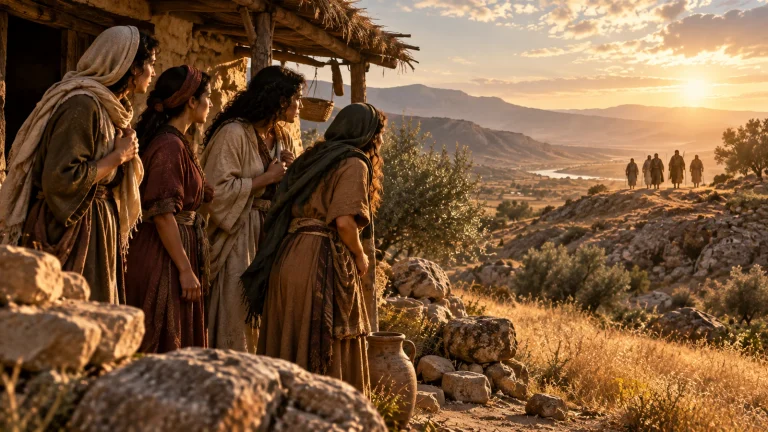
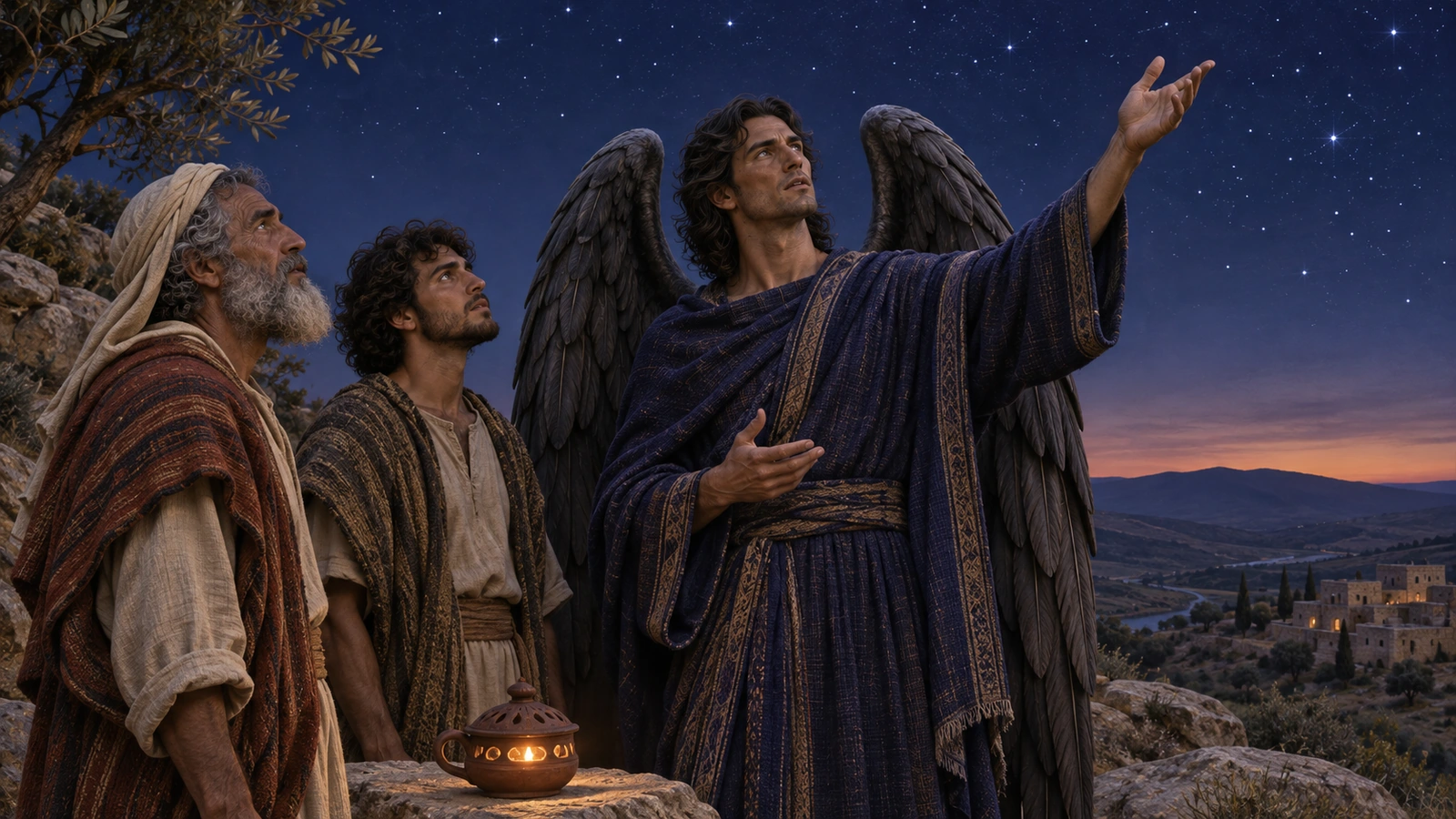
Compare the angelic, Sethite, and royal interpretations—and see what the passage itself can actually establish.
Read the Study →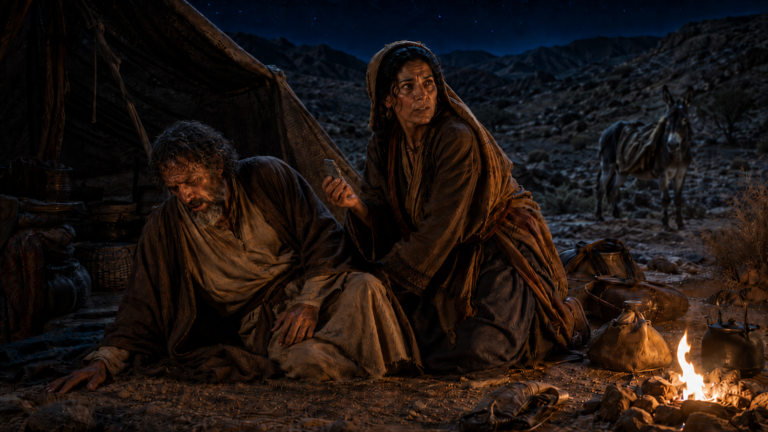
Examine Zipporah’s intervention, circumcision, and the difficult expression “bridegroom of blood.”
Read the Study →
Explore the covenant ceremony and why the smoking firepot and flaming torch pass between the pieces alone.
Read the Study →Why trust the library
Every study begins with the biblical passage itself. Historical evidence, linguistic observations, later traditions, scholarly proposals, and theological conclusions are identified rather than blended together.
Read Our Editorial Method →The argument begins with the wording, structure, and literary movement of the passage.
History and archaeology illuminate the text without being used to manufacture certainty.
Biblical claims, historical evidence, later traditions, and interpretation are clearly separated.
Selected sources and a public corrections policy allow readers to follow the research.
New in the Library
New studies tracing Scripture through literary structure, ancient context, and canonical theology.